 |
 |
 |
|
 |
|
 |
| Start / | Knowledge / | Separation Methods / |
| Accidentals | Changes | Designs | Differences | Errors | Fakes | Kinds | Mistakes | Parallel Issues | Printers Waste | Safety Measures | Quality |
 |
Knowledge / Separation Methods / Perforations / Kinds |
Perforation Kind: summary of the different intended styls of a perforation |
||
  |
    |
  |
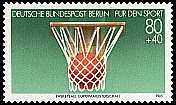
With Perforation: postage stamp issued with perforation as intended style |
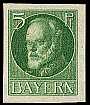
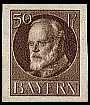
Without Perforation: postage stamp issued without perforation as intended style. This will only be shown when the same postage stamp was also issued with perforation |
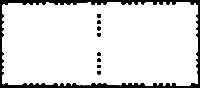
Partly Without Perforation: postage stamp issued partly without perforated as intended style |
  |
  |
    |
Missing Perforation Hole: perforation with incomplete perforation lines as intended style |
Provisional Perforation: postage stamp with provisional perforation |
Official Perforation: postage stamp with perforation ordered by a public postal administation |
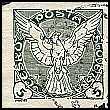 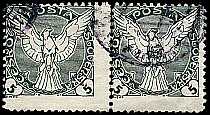 |
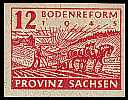  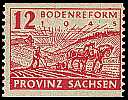 |
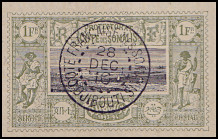  |
Private Perforation: postage stamp with perforation ordered by a private person or company |
Local Perforation: postage stamp with perforation issued for a local area e. g. city (postmaster perforation) |
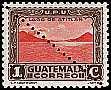
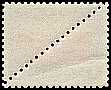
Printed Perforation: postage stamp without separation with a hint of printed perforation around the design print |
 |
  |
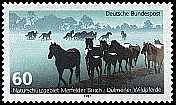 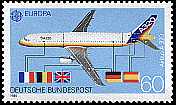 |
Printed Perforation Holes: postage stamp without separation with indicated printed tooth holes around the design print |
Additional Perforation: postage stamp with additional perforation in order to use them proportionately as intended style |
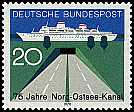
Perforation Number: number of perfor-ated holes on a postage stamp measured per 2 centimeters of length (e.g. 14) |
  |
  |
 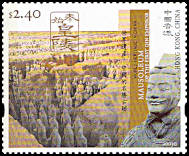 |
Compound Perforation: postage stamp provided with perforation with different perforation numbers as intended style (e.g. 14 : 13¾) |
compound perforation 6½ : 12½ : 12½ : 6½ |
Fluctuating Number Of Teeth: postage stamp with uneven distance between the teeth as intended style |
  |
|
 |
Alternating Perforation: perforation in which smaller and larger holes alternate in the perforation lines |
Coil Perforation: perforation with missing perforation holes to prevent accidental sepa-ration of the postage stamps in the machine |
Island Perforation: sheet with one or more free-standing postage stamps without perfor-ation between the stamps or the margin of sheet |
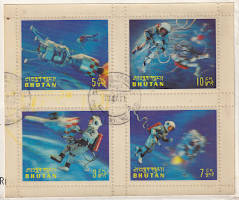 |
  |
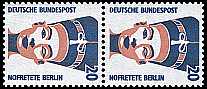  |
Test Perforation: testing through an experi-ment whether a postage stamp can be perforated |
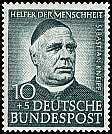
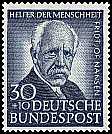
Level Out Tooth: correction tooth that deviates from the standard width and is used to compensate for the further movement of the teeth into the design print due to production |
|
   |
  |
|
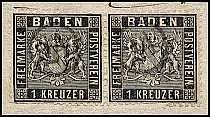
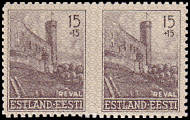
Perforation With Crease Separation: perforated postage stamps that were separated by folding and tearing |
Perforation With Cutting Separation: per-forated postage stamps that were separated with a cutting tool (e.g. scissors) |
|
 |
 |
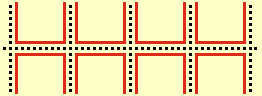 |
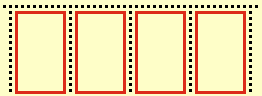
Comb Perforation: all postage stamps in a horizontal row are perforated on three sides at the same time |
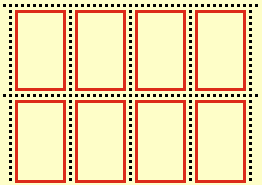
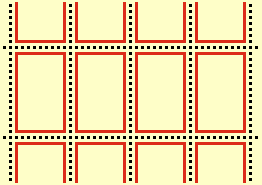
Double Comb Perforation: all postage stamps in a horizontal row are perforated on either four or three sides at the same time |
Cross-comb Perforation: all postage stamps in a horizontal row are perforated horizontally on one side and half perforated vertically in two rows |
 |
 |
 |
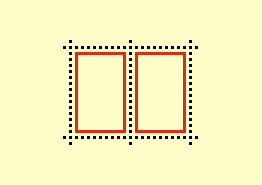
Double Cross-comb Perforation: all postage stamps from two horizontal rows are perforated on one or two sides horizontally and completely or half vertically |
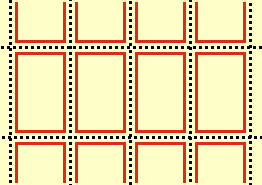
Harrow Perforation: all postage stamps on a sheet are perforated on all four sides at the same time (sheet perforation) |
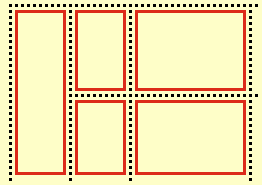
Spezial Comb Perforation: all postage stamps from two horizontal rows of different sizes are perforated on three or four sides at the same time (Swedish perforation) |
 |
 |
|
Line Perforation: all postage stamps on a sheet are first perforated horizontally and then vertically. The canines of the individual postage stamps are irregular |
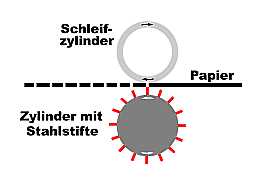
Grinding Perforation: the paper is pressed with pins onto a rapidly rotating roller so that round holes are ground out of the paper |
|
 |
 |